
The Impact of Non-Running Days in UK Horse Racing
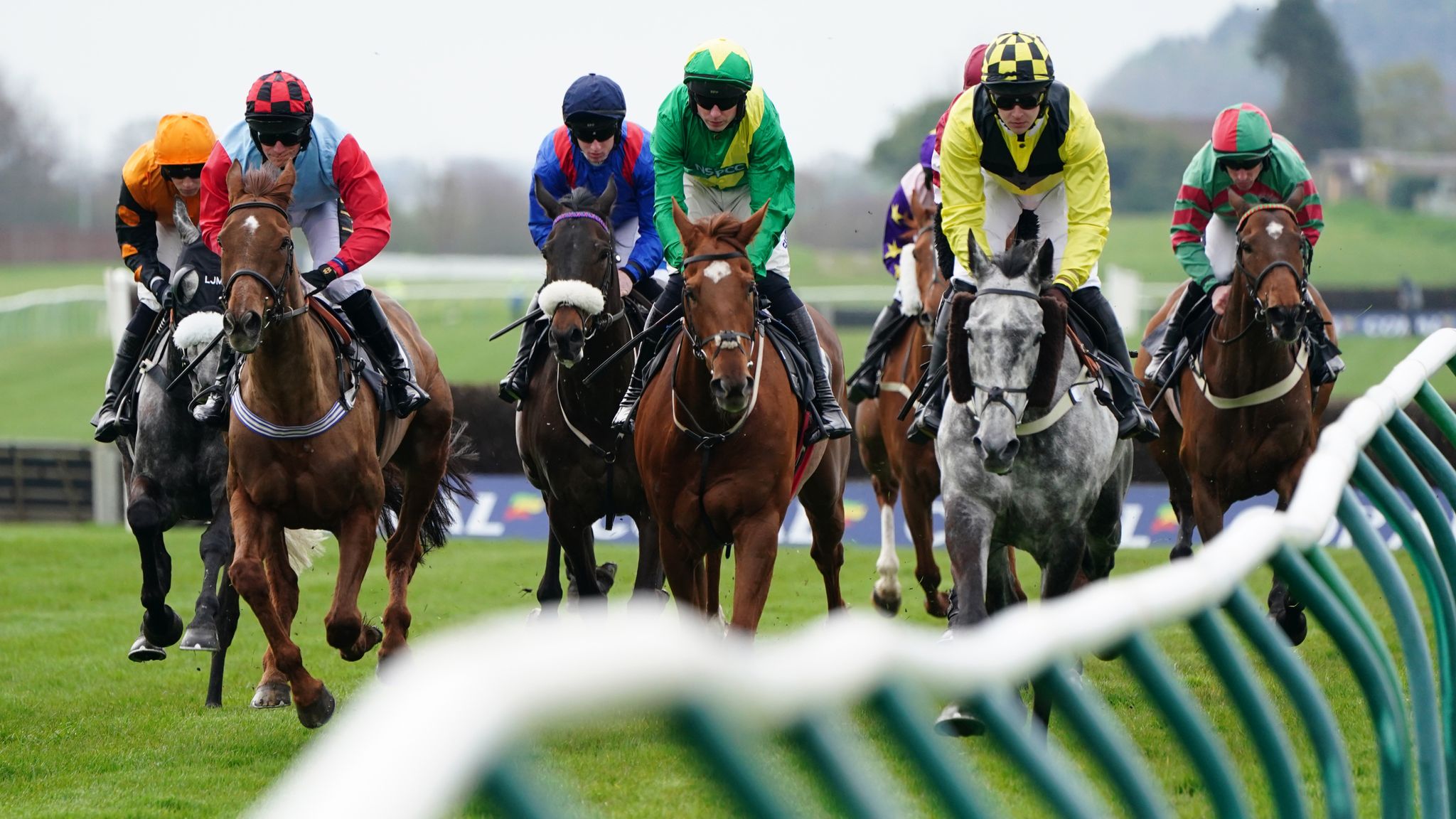
UK horse racing is a sport steeped in history, passion, and excitement. However, the landscape of this sport can face disruptions that lead to entire racing days being called off. This article aims to delve into the reasons behind these non-running days, their implications for bettors and enthusiasts, and how to navigate through the uncertainties of horse racing betting. As the popularity of racing grows, so too does the relevance of finding alternative UK horse racing not on GamStop horse racing betting sites not on GamStop when traditional events experience cancellations.
Understanding Non-Running Days
Non-running days in UK horse racing can occur for a variety of reasons. Weather conditions, safety concerns, and logistical challenges are prime factors contributing to the cancellation of racing events. Heavy rainfall can render tracks unsafe, leading to race time delays or outright cancellations. For instance, during the winter months, frost can create hard ground conditions, while summer heatwaves may affect the welfare of the horses. Furthermore, issues such as transportation strikes or difficulties related to staffing can artificially limit the number of races held on a particular day.
The Economic Impact on the Racing Industry
The economic ramifications of non-running days are significant. Each racing event generates substantial revenue through ticket sales, concessions, and betting activities. When races are called off, the financial loss reverberates throughout the industry, affecting not only the racecourses but also the trainers, owners, and various stakeholders involved. Racecourses rely heavily on these events to drive foot traffic and engagement, contributing to the overall health of the UK racing ecosystem.
Effects on Bettors
For bettors, non-running days present challenges and missed opportunities. Enthusiasts eagerly anticipate races to place their bets based on form analysis, horse performance, and events leading up to the race day. When the races are canceled, bettors are left at a standstill, with their strategies thwarted. Moreover, cancelled races can lead to a shift in betting focus, requiring bettors to quickly adapt and seek alternative events or markets to wager on. This necessitates a flexible approach, and savvy bettors will keep an eye on emerging opportunities beyond traditional racing days.
Exploring Alternatives on Non-Running Days
There are numerous alternatives to consider when UK horse racing events do not take place. Bettors can explore other forms of entertainment such as international races, harness racing, or even greyhound racing held across various tracks. Additionally, virtual racing and online betting platforms have gained popularity as they simulate real races, allowing for continued betting engagement.
Racing Calendars and Planning Ahead
To minimize the disappointment of non-running days, bettors should familiarize themselves with racing calendars and attend to the announcements regarding cancellations and rescheduled events. Effective planning can enhance the betting experience, allowing players to stay informed and ready to navigate the unpredictabilities of the racing world. Keeping up with weather forecasts and course conditions can also aid in anticipating potential cancellations.
Leveraging Online Betting for Potential Gains
The online betting landscape provides robust alternatives to traditional betting avenues, especially during times when races are not running. With multiple platforms accessible, bettors can find strategic opportunities, bonuses, and promotions tailored for specific events. Researching reputable sites offers the chance to discover hidden gems that align with individual betting strategies.
Community Engagement and Information Sharing
Engaging with the horse racing community can pay dividends during non-running days. Forums, social media, and dedicated racing clubs often have passionate members who share insights, strategies, and even updates about up-and-coming events. Participating in discussions can yield new ideas and suggestions that traditional sources might not cover.
Conclusion
Non-running days in UK horse racing can significantly affect both the racing industry and bettors alike. Understanding the reasons behind these cancellations and exploring alternatives can keep the spirit of betting alive. By leveraging digital platforms, maintaining community connections, and staying informed, bettors can navigate the complexities of a vibrant yet occasionally unpredictable racing world. As the industry evolves, embracing flexibility and adaptation will ensure a thrilling experience in the world of UK horse racing.