Sports psychology is a relatively new field of study, which has gained popularity in the past few decades. Many athletes are aware that to be successful, they need to enhance their physical fitness and training regime but they should also increase their mental strength by learning how to use sports psychology techniques.
Visualisation techniques play a significant role in sports psychology and are often used by athletes across all disciplines and of different skill levels. They can help you perform better, achieve more and win more games.
What is visualisation?
Visualisation, also known as guided imagery, is a technique that involves creating positive & real images in your mind. It is a mental rehearsal of a desired action that you want to take place.
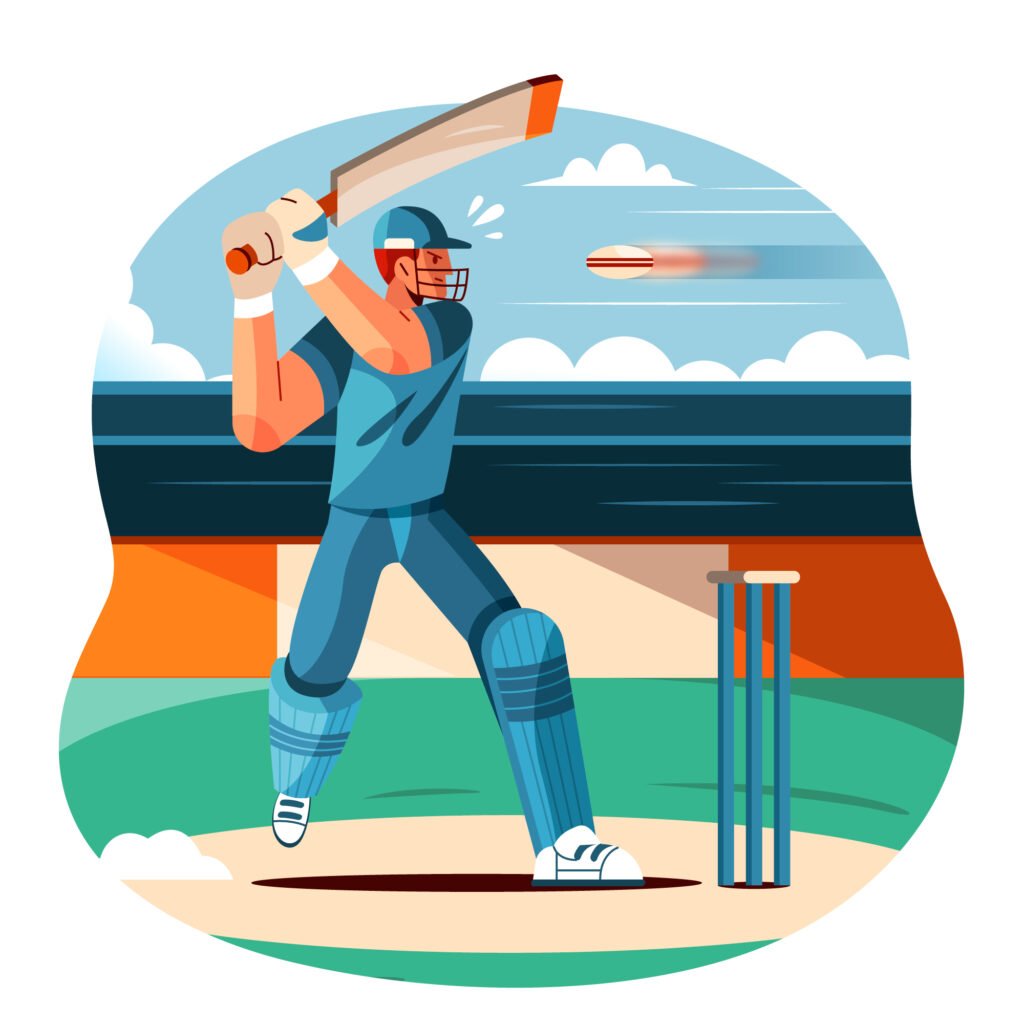
How visualisation helps athletes?
Visualisation stimulates the same areas in the brain that are used when you are actually doing the same action. Your brain doesn’t know the difference between actually doing something or visualising it in detail.
How do visualisation techniques works in sports?
It is set to ‘replay’ like a videotape in your mind to enable you to rehearse your actions. It is an incredibly powerful tool that can help you control your emotions and focus on your game. Using visualisation techniques can also help you to overcome fear and anxiety in future competitions.
Not only should you visualise success, but also anticipate and be ready for adversity. Nothing ever works out the way we expect it to; in sports, particularly, adversity can be a frequent occurrence, yet it can actually sharpen our self-belief. With unwavering self-assurance, we can conquer anything that comes our way, no matter the situation. For indomitable confidence, success must be achieved in all situation.
Does visualisation help athletes during setback time ?
If you’re unable to play due to an injury or riding the pine, visualise success to remain mentally prepared for when it’s your turn to shine. Additionally, visualising can help you cope with any potential setbacks.
What are the key benefits of visualisation ?
The benefits of visualisation for athletes include improved motor function, increased confidence, reduced tension and anxiety, enhanced motivation, and improved self-esteem. Visualisation can also help athletes to stay focused and mentally tough, as well as help them to regulate the anxiety they experience during competitions.
Visualisation can also help athletes to heal faster from injuries, and to manage chronic pain and headaches. It can also help to boost an athlete’s performance by stimulating the same brain regions as when they physically perform a skill.
Which sports psychology tips can be used to relax during high-pressure competition situations?
To practice visualisation, athletes should use all their senses from a first-person perspective. They should imagine their sports performance in detail, including what they would see, hear, and feel. They should also try to add in some physical movements that coincide with the visualised images.
Start your morning off with an empowering ritual! Find a comfortable place to relax, take a few deep breaths and then visualise how you want your day to go – practice, competition, gym, etc. Imagine your ideal body language, picture yourself performing at a top level, and feel the sense of confidence and success it brings. Carry this mindset with you throughout the day and you’ll be unstoppable!
How it helped the athletes to achieve success in their careers? Please see the example of Katie Ledecky.
American swimmer Katie Ledecky, is a further example of an elite athlete who insists that visualisation has helped her achieve 7 Olympic golds and 19 world championship gold medals. The most ever by a female swimmer. Ledecky stated: “I have my goals, and I visualise things to help me achieve those goals … I know what my stroke should feel like at different parts of the race, and I can just kind of picture that in my mind.”
The most effective visualisation techniques involve the athlete having complete control over a successful performance and a belief in this new self. These scenarios should include as many of the senses as possible, such as visual images and pictures, kinesthetic feelings, and auditory sounds.
By using visualisation techniques, athletes can gain a competitive edge and maximize the efficiency and effectiveness of their training. It is a great way to prepare for a big event, envisioning what could go wrong and fixing those problems before they arise. Visualisation can also help to motivate athletes to push through a challenging workout or a difficult race.
Related posts

Mental Preparation for Game Day: Unlocking Your Peak Performance.